Event-Driven Architecture (EDA)
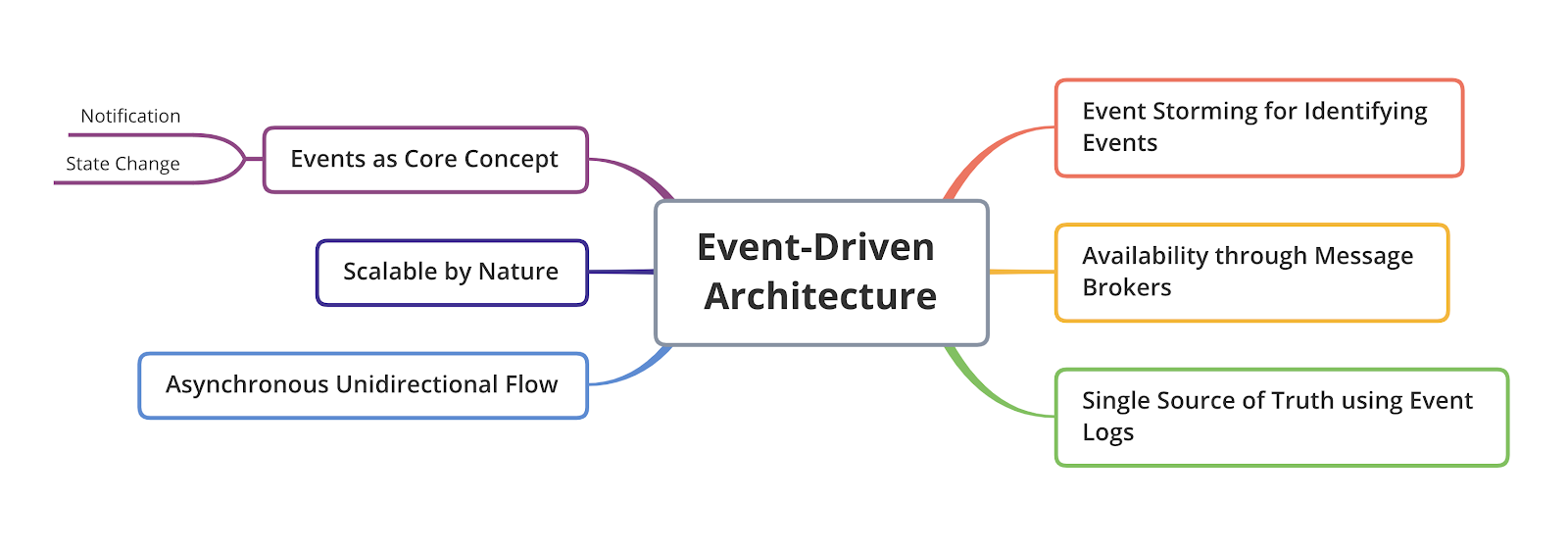
Event-Driven Architecture (EDA) is a way of designing software where the focus is on events — things that happen in the system. When an event occurs, like a user clicking a button or a new order being placed, the system responds by triggering certain actions.
Key Concepts of EDA
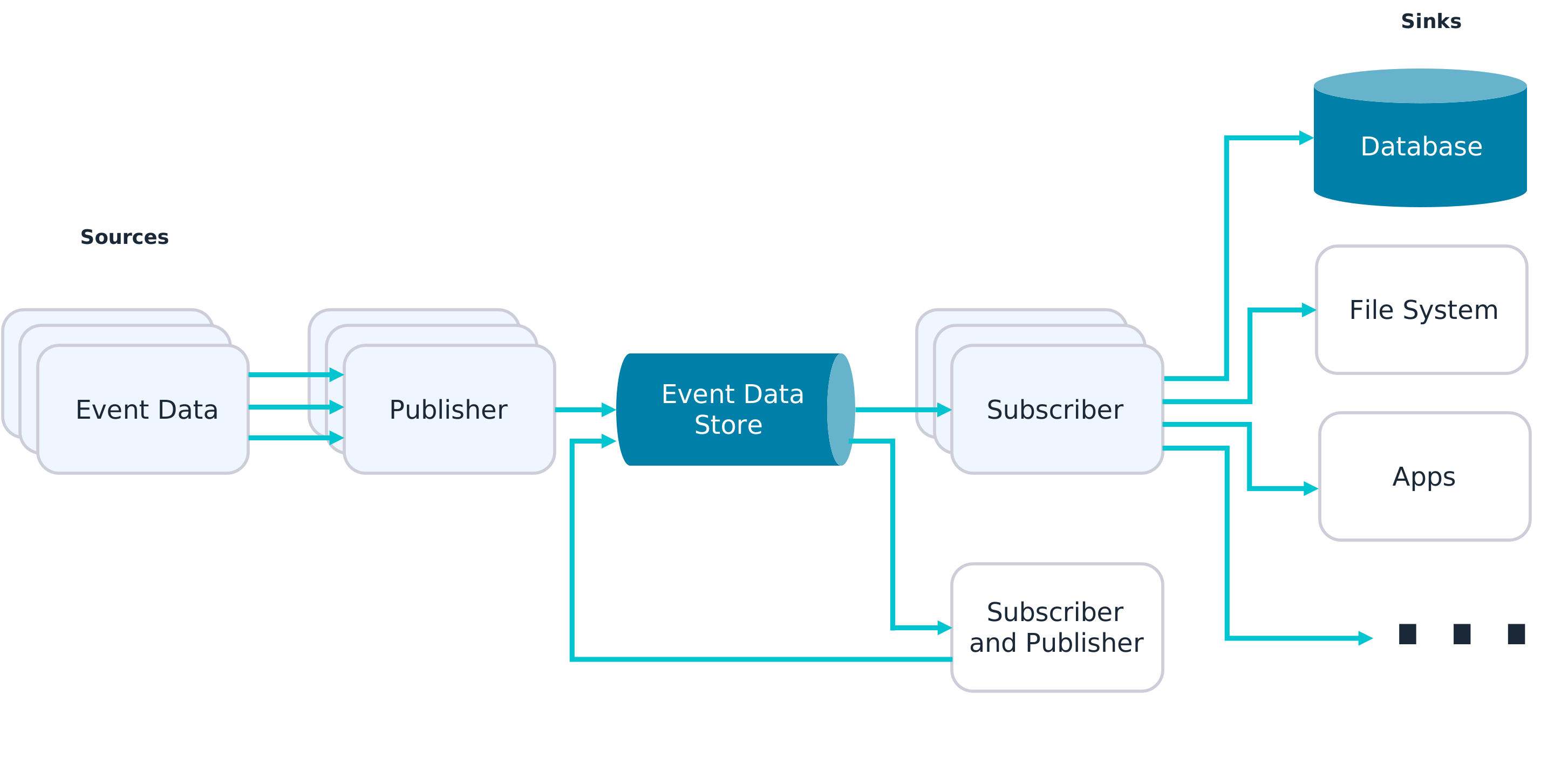
- Event Producer: Generates events when something happens (e.g., a user clicks a button).
- Event Consumer: Listens for specific events and performs actions based on them.
- Event Channel: The communication pathway for events, often implemented via message brokers or topics.
Benefits of Event-Driven Architecture
- Scalability: Services can scale independently.
- Decoupling: Components are independent, reducing interdependencies.
- Responsiveness: Real-time data flow enables responsive systems.
Example: Uber
When a rider requests a ride, it triggers several events that different parts of the system respond to:
- Matching: Finds the closest available driver.
- Notification: Notifies both the driver and rider with real-time updates.
- Billing: Starts tracking the ride for billing purposes.
- Location Tracking: Continuously updates the locations of the rider and driver.
Each of these services listens to specific events (e.g., “ride requested,” “ride started”) and responds immediately, providing real-time updates and a seamless experience for users.